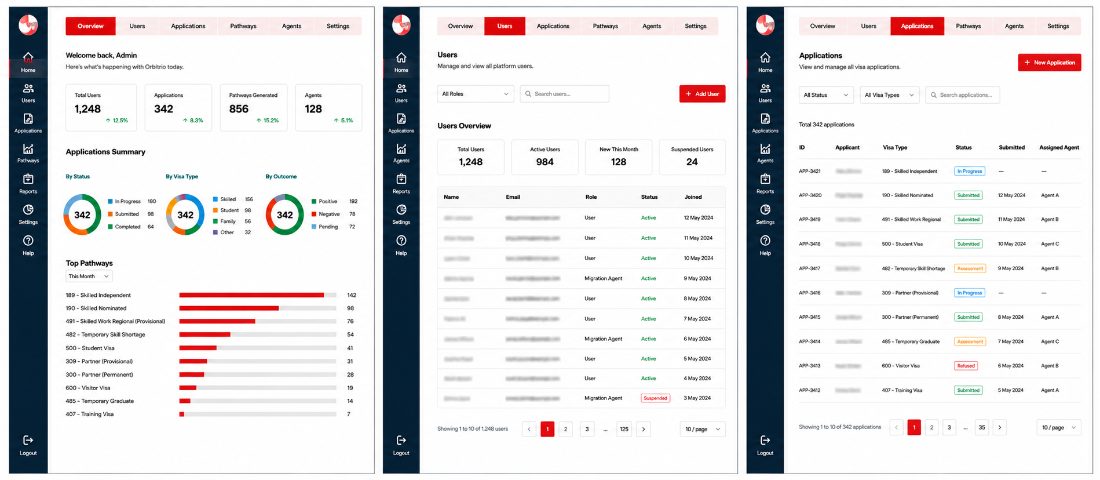
Every LMS demo looks impressive. The real test is what daily life looks like six months in, for the teacher building their fourth course and the learner logging in on a lunch break. When we help organisations compare platforms, five features separate the systems people use from the systems people tolerate.
1. An interface people do not need training for
If staff need a manual to upload a lesson, the platform has already failed. A good LMS makes the common tasks — enrolling, publishing, marking — obvious on the first attempt. User interface design is not cosmetic; it is the single biggest driver of adoption.
2. Support for the content standards you already use
Your content investment should outlive any platform. Insist on proper SCORM and xAPI support so courses built in Articulate, H5P or any other tool run and report correctly, and can move with you if you ever change systems.
3. Analytics that answer real questions
Completion rates, time on task, assessment performance, learners at risk: the platform should answer these in a view a coordinator can read, not a data export that needs a spreadsheet expert. If reporting requires days of manual work, the LMS is hiding its most valuable feature.
4. Integrations with the systems around it
An LMS never works alone. Single sign-on, your student management system, video conferencing and LTI tools all need to connect cleanly, or staff end up re-entering data and learners end up with three passwords.
5. A genuinely responsive learner experience
Learners study on phones on trains, not just desktops in offices. Test the platform on a small screen before you commit: if a quiz is painful on mobile, a large share of your cohort will simply stop.
No platform is perfect out of the box — Canvas and Moodle both earn their popularity by doing these five well and staying customisable for the rest. Choose against these features, honestly weighted for your context, and the shortlist writes itself.