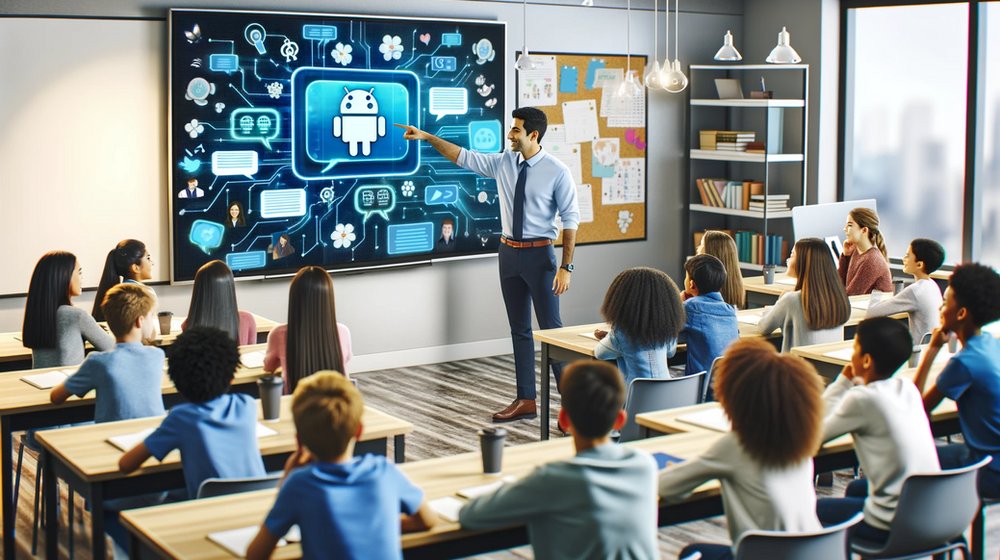
A year on from the first wave of ChatGPT panic, a clearer picture has emerged. The tool many feared would undermine education is, in the right hands, one of the most powerful things to happen to teaching in a generation.
Giving teachers time back
So much of a teacher's week goes on tasks that do not need a human touch: drafting rubrics, first-pass lesson plans, practice questions, reading summaries. Generative AI produces a solid starting draft in seconds, freeing educators for the work only they can do, which is judging, adapting and connecting with students.
A patient tutor for every learner
One teacher cannot give thirty students individual attention at the same moment. A well-prompted assistant can explain a concept several different ways, quiz a learner on exactly where they are stuck, and never lose patience. That is a real equity gain for students who might otherwise fall behind unnoticed.
Design for integrity, not fear
The genuine challenge is assessment. If a chatbot can write the essay, what is the essay measuring? The answer is not prohibition but better design: oral defences, in-class work, process portfolios, and tasks that ask students to critique and improve AI output. The institutions that thrive will teach students to use these tools with skill and judgment, because that is the world they are entering.